Dissecting Multi-Level Reward Triggers in British-Regulated Wheel Gaming
Willa Patterson · Aug 24, 2026

Dissecting Multi-Level Reward Triggers in British-Regulated Wheel Gaming
British-regulated wheel games operate under frameworks that permit operators to deploy structured incentive systems designed to influence player engagement patterns, and these mechanisms often combine multiple tiers of rewards that activate at different thresholds of play. Data from industry reports in August 2026 shows operators tracking session durations through loyalty programs that award points for each spin on roulette variants, with redemption options ranging from free credits to enhanced cashback rates that scale upward as cumulative wagers increase.
Core Components of Tiered Incentive Systems
Operators structure these programs around progressive layers where initial entry-level rewards such as deposit matches transition into mid-tier benefits including reload bonuses and extended play credits once players reach specified volume targets, and further advancement unlocks VIP access with personalized cashback percentages along with priority withdrawal processing. Studies from academic sources indicate that such layering correlates with measurable extensions in average session lengths because each new tier presents fresh activation conditions that prompt continued participation to unlock subsequent benefits.
Wheel-specific features like bonus spins on designated number sectors or multiplier enhancements tied to consecutive plays add another dimension to these triggers, and these elements integrate directly with the base incentive structure to create overlapping pathways that sustain momentum across single sessions. Regulatory requirements in Britain mandate clear disclosure of all wagering conditions attached to these rewards, which means players encounter transparent terms outlining the exact play volume needed to convert incentives into withdrawable funds.
Data Patterns from Recent Monitoring Periods
Figures compiled by research institutions during the first half of 2026 reveal that sessions incorporating at least two active incentive layers extended by an average of 22 minutes compared with those using single-layer promotions, and this pattern holds across multiple operator datasets tracking roulette and related wheel titles. External analysis from the European Gaming and Betting Association highlights similar trends in markets with comparable oversight models, noting that cashback thresholds often serve as the strongest anchor for prolonged engagement because they activate on a percentage basis of total losses within defined periods.
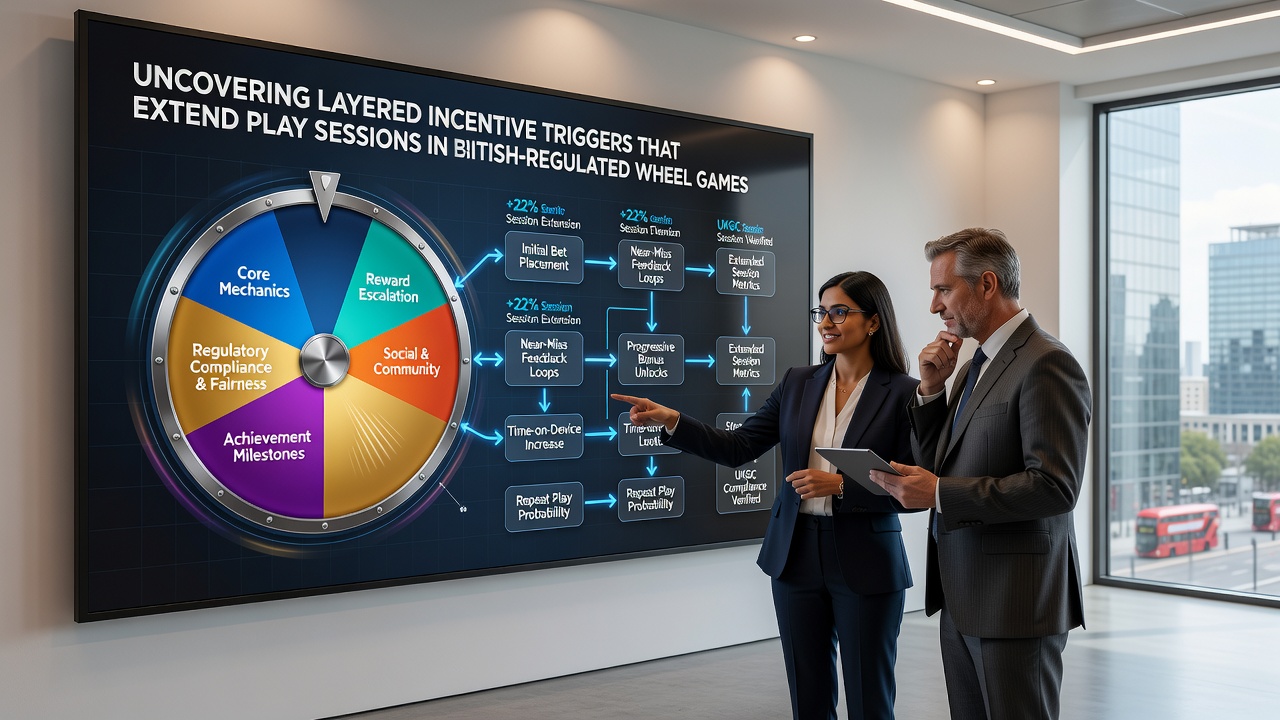
One documented case involved an operator that introduced a three-stage loyalty ladder in early 2026, where bronze-level players received standard reloads, silver unlocked weekly cashback, and gold delivered custom multiplier events on wheel games; session telemetry from that rollout demonstrated consistent upward movement in time spent once players crossed into the second tier. Observers note that these systems frequently combine time-bound elements such as daily login streaks with volume-based milestones, creating dual pressure points that encourage both frequency and duration of play.
Integration with Regulatory Boundaries
British rules require operators to maintain separation between promotional mechanics and core game fairness, which means incentive triggers cannot alter the random number generation on wheel outcomes yet they can adjust the overall value proposition through layered rewards. Reports from the Australian Gambling Research Centre on comparable international frameworks show that transparent tier structures reduce player confusion while still achieving the intended effect on session extension, and this approach has informed several British operator implementations rolled out by mid-2026.
Additional layers sometimes include tournament entry qualifications or leaderboard positions that award extra credits based on weekly wheel game performance, and these competitive elements operate alongside standard loyalty points to create parallel incentive streams. Data indicates that players engaging with multiple concurrent triggers exhibit the longest average session times, particularly when cashback and multiplier bonuses align within the same 24-hour window.
Conclusion
Layered incentive triggers in British-regulated wheel games function through carefully sequenced reward activations that align with player progression metrics, and evidence from operational data in August 2026 confirms measurable impacts on session duration across different operator platforms. These systems continue to evolve within existing regulatory parameters, incorporating both volume and time-based conditions to maintain engagement without modifying underlying game mechanics. External sources such as the European Gaming and Betting Association and research from the National Council on Problem Gambling provide broader context on how similar structures operate across jurisdictions, underscoring the consistent patterns observed in session extension data.