Decoding Retention Layers: How Tiered Reward Pathways Shape Long-Term Roulette Engagement Under UK Oversight
Vera Butler · Aug 17, 2026
Decoding Retention Layers: How Tiered Reward Pathways Shape Long-Term Roulette Engagement Under UK Oversight
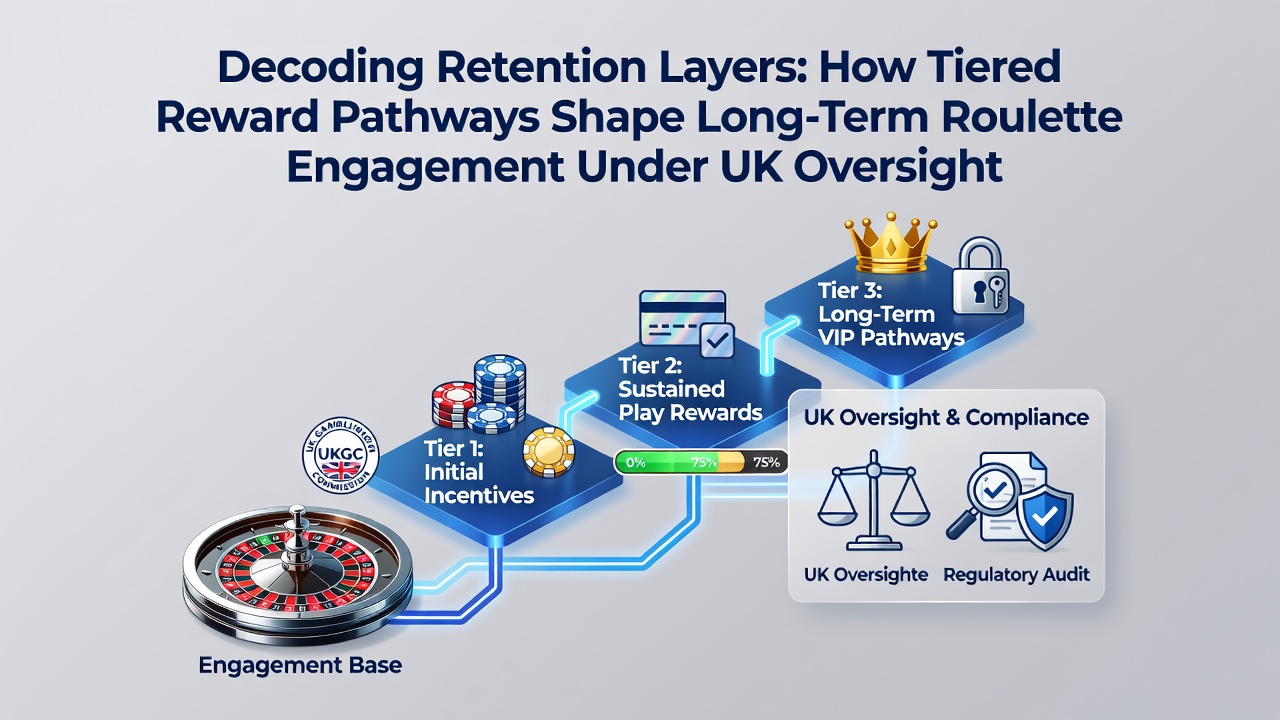
Retention layers in roulette platforms operate through structured reward pathways that build engagement over extended periods while operators navigate regulatory requirements set by UK authorities. These systems typically progress from initial access incentives through intermediate loyalty tiers to advanced privileges that encourage sustained participation. Data from industry analyses show players who advance through multiple layers tend to maintain activity longer than those who remain at entry levels.
Core Components of Tiered Pathways
Operators design these pathways with progressive thresholds that unlock benefits at defined intervals. Entry layers often focus on basic participation credits while mid-level stages introduce cashback mechanisms and extended play options. Higher tiers incorporate personalized elements such as dedicated support access and tailored game variations. Research indicates players who reach upper tiers demonstrate retention rates that exceed those of single-layer participants by measurable margins according to aggregated platform metrics.
August 2026 reports highlighted adjustments in several major operators where tier progression speeds were recalibrated to align with updated responsible gambling protocols. These changes affected how quickly players could advance yet preserved the overall structure of layered incentives. Observers note such modifications reflect broader efforts to balance commercial objectives with compliance standards across the sector.
Regulatory Influences on Pathway Design
UK oversight frameworks require transparent communication of reward conditions and impose limits on promotional mechanics that might accelerate excessive engagement. Operators must integrate spending caps and self-exclusion tools directly into tier systems rather than treating them as separate features. This integration creates retention layers that simultaneously promote longevity and enforce boundaries. A study published through the University of Sydney's gambling research unit examined similar structures in comparable markets and found integrated safeguards correlate with steadier long-term participation patterns.
One platform case from early 2026 demonstrated how a three-tier model adjusted its progression criteria after regulatory review. teh operator introduced mandatory cooling periods between tier advancements while expanding non-monetary rewards at each level. Engagement data collected over subsequent months showed sustained activity levels without spikes in high-volume sessions.
Behavioral Patterns Across Layers
Players exhibit distinct behaviors as they move through retention layers. Initial participants often explore multiple games before settling on roulette variants. Mid-tier users tend to favor specific wheel types and timing patterns that align with available rewards. Those reaching advanced layers frequently develop consistent session rhythms supported by the accumulated benefits. Figures from international gaming associations reveal these patterns appear consistently across regulated markets when tiered systems are present.
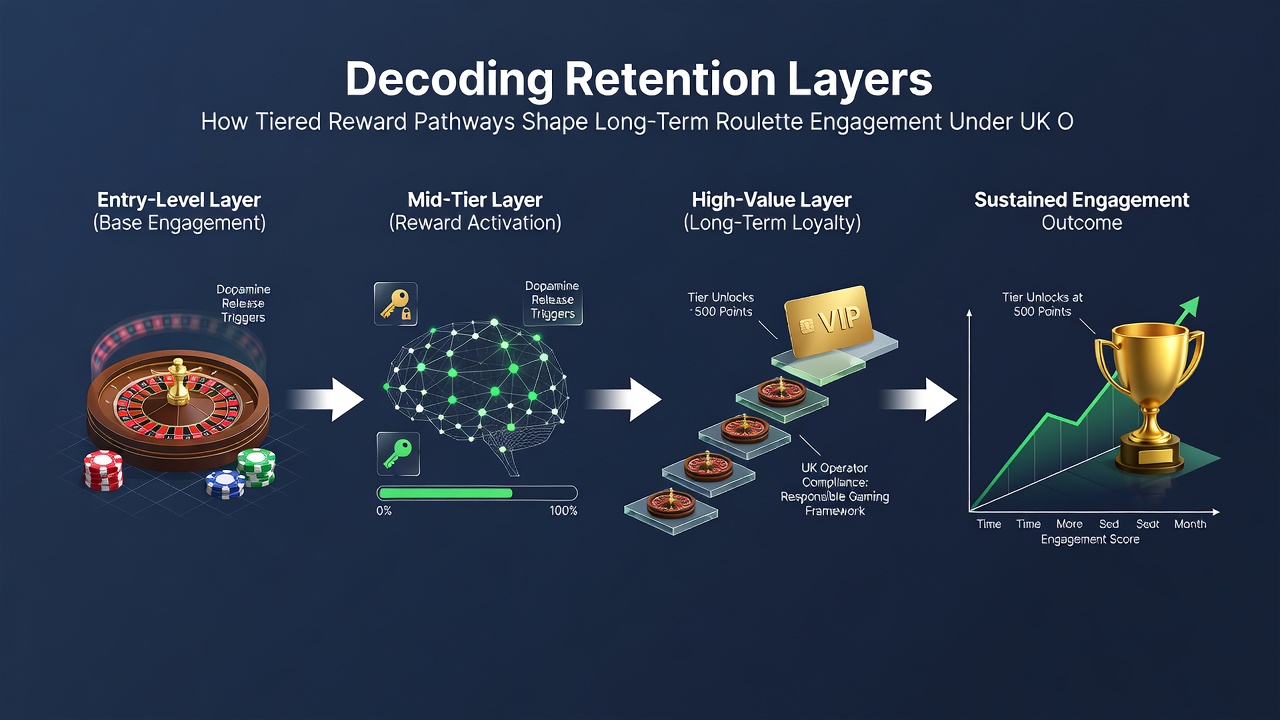
What's notable is how external regulatory shifts in August 2026 prompted several operators to refine their upper-tier offerings. Adjustments included clearer disclosure of advancement requirements and additional verification steps for high-tier eligibility. These modifications maintained the motivational structure of the pathways while addressing oversight expectations around player protection.
Comparative Elements from Other Regions
Analyses from the New Jersey Division of Gaming Enforcement provide context on how tiered systems function under different regulatory environments. Their data on player progression models show parallels with UK approaches particularly in the emphasis on verifiable reward conditions. Industry reports from the Canadian Gaming Association further illustrate that retention-focused layers perform best when paired with clear exit mechanisms and spending transparency features.
Operators in the UK have adapted elements from these international examples while remaining within local guidelines. The result is a hybrid model where retention layers incorporate both incentive depth and compliance checkpoints. Players advancing through such systems encounter increasingly sophisticated reward structures that reflect both commercial strategy and regulatory alignment.
Conclusion
Tiered reward pathways continue to define long-term roulette engagement patterns under UK oversight through carefully calibrated layers that respond to both player behavior and regulatory demands. The integration of progression mechanics with protective measures creates frameworks where sustained participation occurs alongside accountability features. As operators refine these systems in response to evolving standards the structural elements of retention remain central to platform design across the sector.