Charting Retention Incentives Across Britain's Roulette Market Shifts
Willa Patterson · Jul 31, 2026
Charting Retention Incentives Across Britain's Roulette Market Shifts
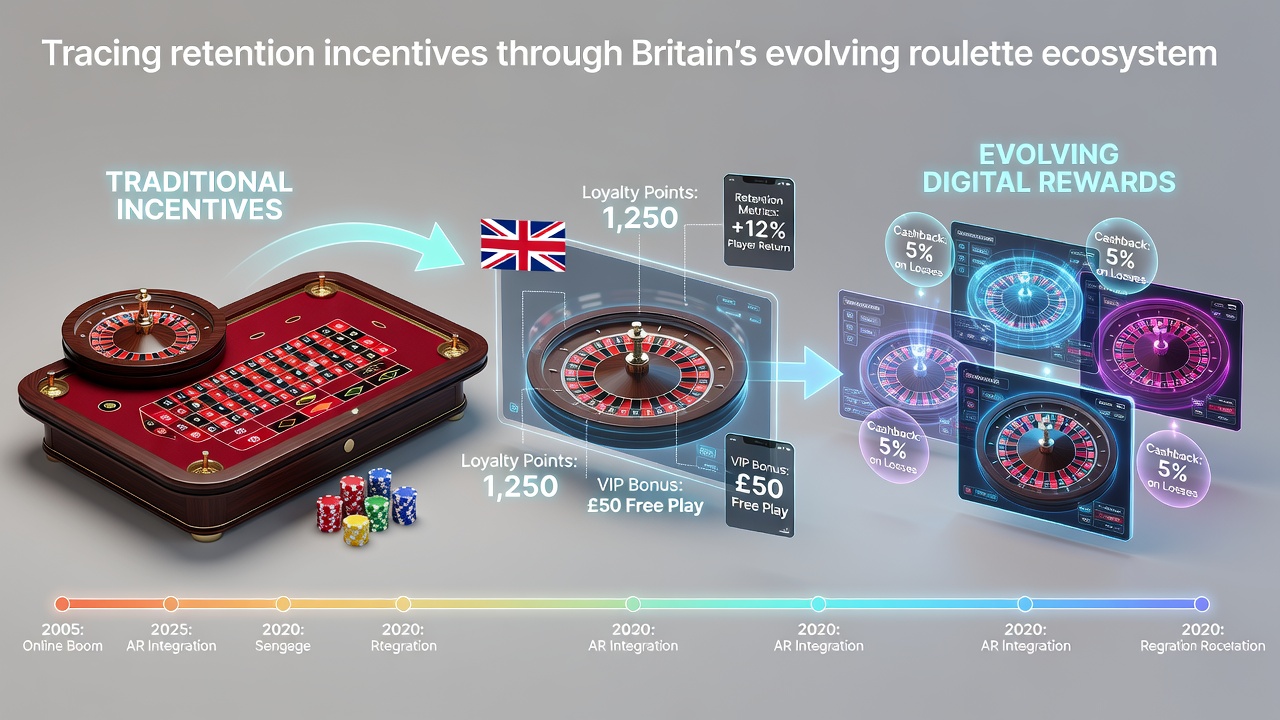
Britain's roulette ecosystem has seen retention incentives evolve from simple welcome offers into layered systems that combine reload bonuses, cashback mechanisms, and loyalty tiers, and these changes have aligned with broader regulatory adjustments and technological advances since the mid-2010s.
Early Foundations of Player Retention
Operators first introduced basic reload bonuses in the late 2000s to encourage repeat deposits, yet the approach remained limited until mobile platforms gained traction around 2015, when data from industry reports indicated that sustained play required more than one-time promotions, and this shift prompted the addition of cashback rewards that returned a percentage of losses over set periods.
Those early programs often tied rewards to fixed wagering multiples, and observers noted that players who engaged with live dealer variants tended to receive higher cashback rates because session lengths increased on average, while standard table games carried lower percentages to balance operator margins.
Regulatory Influences on Incentive Structures
Adjustments to advertising rules and responsible gambling requirements in the early 2020s pushed operators to embed clearer terms within retention offers, and this led to greater transparency around wagering requirements that now appear alongside loyalty point accumulation rates, and many platforms began displaying real-time progress trackers so users could monitor how close they stood to the next reward tier.
By early 2026 the pattern had expanded further, with several sites linking loyalty points directly to live roulette participation metrics, and external data from the European Gaming and Betting Association showed that integrated reward systems correlated with longer average session durations across European markets including Britain.
Live Dealer and Mobile Integration
Live dealer roulette rooms introduced retention tools that rewarded consistent table presence through milestone bonuses, and these often stacked with mobile-specific reload offers that activated during peak evening hours, while operators tracked device usage to tailor cashback percentages accordingly.
One documented case involved a major platform that adjusted its VIP cashback schedule in March 2026 after internal figures revealed higher retention among users who combined live sessions with mobile spins, and the update extended the cashback window from seven to fourteen days for qualifying accounts.
Layered Loyalty Programs in 2026
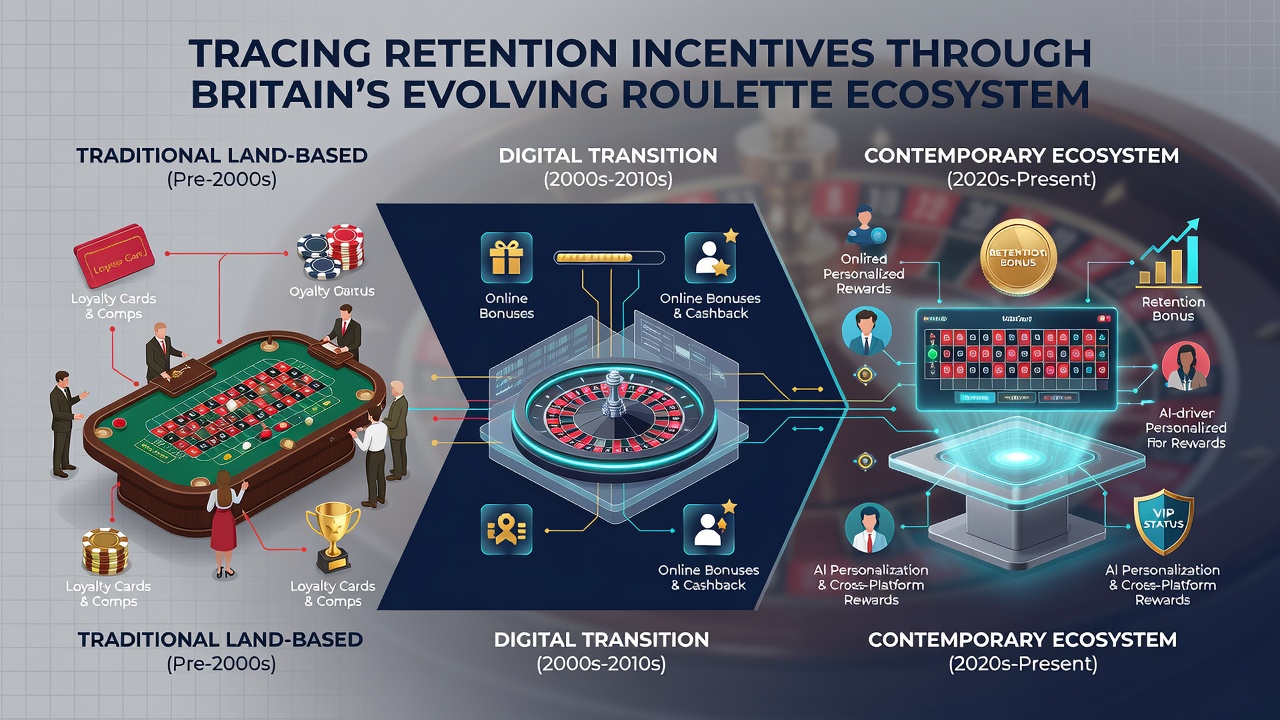
Loyalty programs now operate on multiple levels where base members earn points per spin, mid-tier users unlock faster accumulation rates, and top-tier participants receive personalized reload offers plus priority access to new wheel variants, and these structures have become standard across many licensed sites operating in Britain.
Research compiled by the University of Nevada's International Gaming Institute indicated that tiered systems reduced player churn when points converted into both monetary rewards and non-cash perks such as tournament entries, and British operators adopted similar frameworks by July 2026 after reviewing comparable international models.
Technological Tracking and Personalization
Advanced analytics now allow operators to monitor individual play patterns and adjust retention incentives in near real time, and this capability has enabled the delivery of targeted reload bonuses timed to periods of reduced activity, while cashback offers sometimes activate automatically once loss thresholds are met within a rolling window.
Platforms have also begun testing blockchain-based loyalty ledgers that provide immutable records of point earnings, and early adopters reported improved user trust because players could verify their reward history without intermediary statements.
Conclusion
Retention incentives in Britain's roulette ecosystem have progressed from basic deposit matches to sophisticated combinations of cashback, loyalty tiers, and personalized triggers that respond to both regulatory demands and technological capabilities, and the trajectory suggests continued refinement as operators balance player engagement with compliance obligations through the remainder of 2026 and beyond.