Charting Loyalty Pathways Through Layered UK Roulette Incentives Amid Regulatory Flux
Willa Patterson · Aug 19, 2026
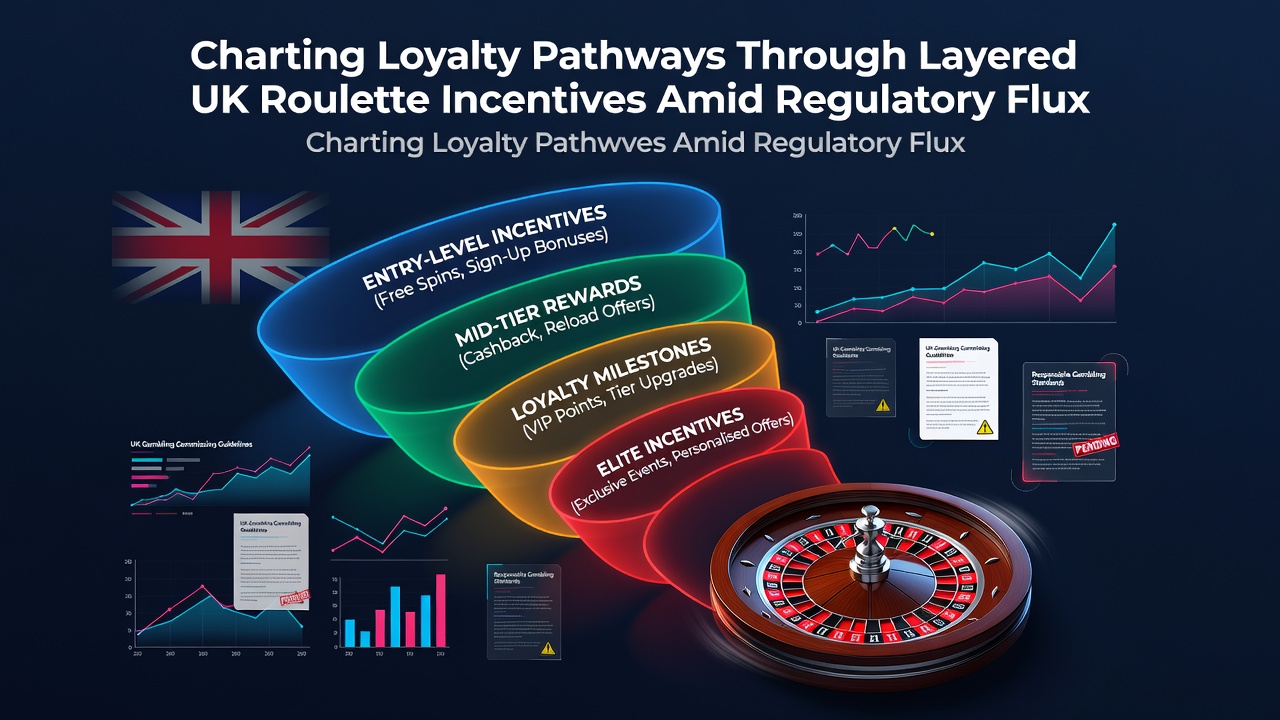
Charting Loyalty Pathways Through Layered UK Roulette Incentives Amid Regulatory Flux
Operators in the UK have developed intricate loyalty pathways that combine initial deposit matches, ongoing reload bonuses, cashback tiers, and VIP progression systems to guide players through extended engagement cycles, while regulatory adjustments continue to influence how these structures operate across the market. Data indicates that such layered approaches emerged as responses to player retention challenges that intensified after several oversight revisions took effect between 2024 and 2026.
Mapping Multi-Tier Incentive Designs
Research from industry analysts shows that many platforms now structure roulette incentives across distinct stages beginning with welcome packages that convert into reload offers after initial wagering thresholds are met, then progressing into cashback mechanisms that activate once monthly activity levels reach specified volumes. Observers note these pathways often incorporate points accumulation systems where spins on roulette variants contribute toward tier advancement, unlocking higher rebate percentages and exclusive live dealer access. Studies reveal that operators adjust contribution rates for different roulette formats to balance player interest with house-edge considerations, creating incentives that reward consistent participation rather than isolated large bets.
Take one operator that introduced a five-stage loyalty ladder in early 2025, where bronze-level players receive standard reloads while platinum participants gain access to personalised cashback vaults that scale with verified play volume. Figures from platform reports demonstrate that players who advance through at least three tiers show extended session durations compared with those remaining at entry levels, although exact retention metrics vary by site architecture.
Regulatory Adjustments Influencing Structure
Changes in advertising standards and bonus transparency requirements have prompted operators to redesign how layered incentives are presented, particularly around wagering requirements attached to roulette-specific promotions. According to data compiled by the European Gaming and Betting Association, several member jurisdictions reported shifts in bonus disclosure rules that directly affect how UK-facing sites communicate progression pathways to new registrants. These adjustments have led some providers to simplify language around cashback triggers while maintaining the underlying multi-layer architecture that rewards incremental play milestones.
In August 2026 further guidance on affiliate marketing practices influenced how loyalty pathways are promoted through third-party channels, requiring clearer separation between initial bonus claims and ongoing reward tiers. Operators responded by embedding clearer progression trackers within player accounts so users can monitor advancement without relying on external messaging.
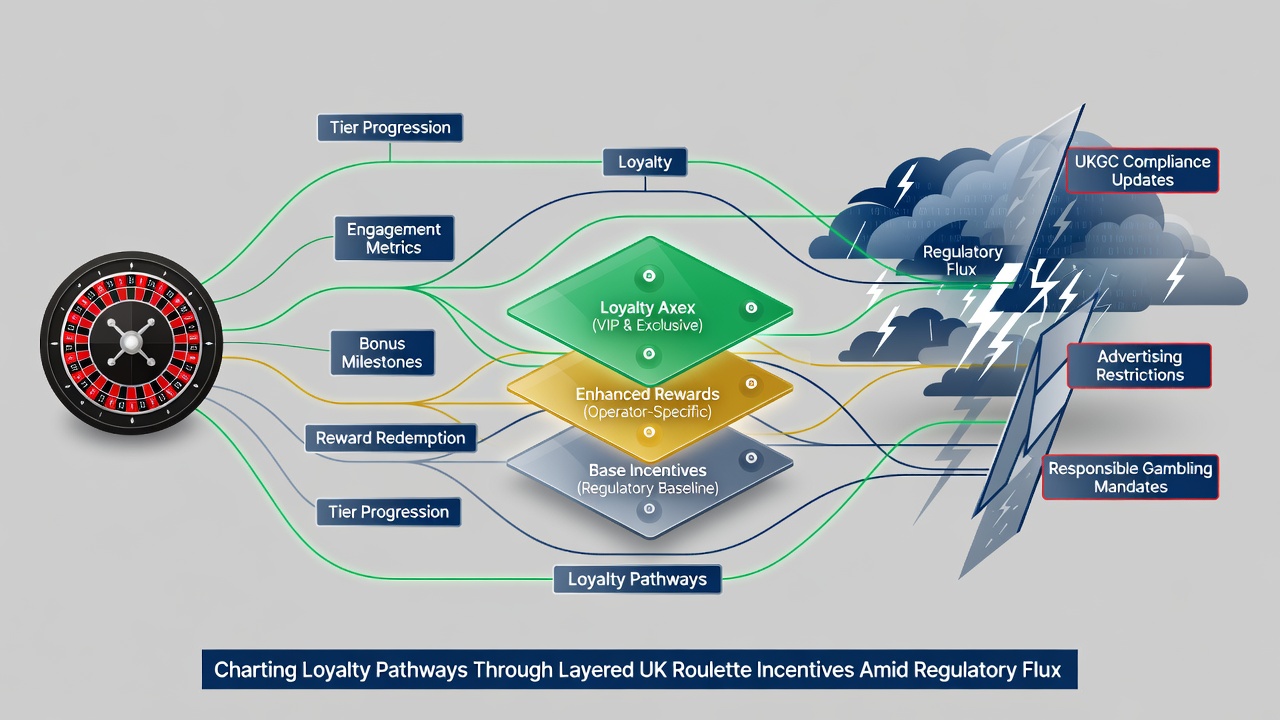
Player Progression and Reward Activation
Those who have tracked participation patterns note that successful pathways typically activate cashback after a defined number of qualifying spins, with percentages increasing as players move from standard roulette to live dealer variants that carry higher contribution weights. Evidence suggests many sites now link tier advancement to a combination of deposit frequency and total wagered amounts rather than win outcomes, creating more predictable progression routes that align with updated responsible gambling parameters. One study revealed that platforms integrating real-time loyalty dashboards saw higher completion rates for intermediate tiers compared with sites relying on monthly summaries alone.
Comparative analysis with markets outside the UK, such as data shared by the Responsible Gambling Council in Canada, indicates that similar layered structures appear in other regulated environments, though UK implementations place greater emphasis on verifiable identity checks at each advancement stage. This difference stems from stricter age-verification protocols that carry over into loyalty programme administration.
Operational Adjustments in Mid-2026
Platform updates rolled out during summer 2026 incorporated automated alerts that notify players when they approach the next loyalty threshold, reducing friction in the transition between incentive layers. Researchers discovered that such notifications correlate with steadier engagement levels across roulette titles, particularly when alerts include remaining wagering requirements displayed in real time. Operators also adjusted contribution caps on certain roulette side bets to prevent rapid tier advancement that could strain bonus liability calculations under revised financial reporting standards.
These operational refinements reflect broader industry efforts to maintain incentive attractiveness while complying with transparency mandates that continue evolving across European regulatory frameworks. Data from multiple operators shows that players who receive progress notifications complete more tiers than those navigating systems without such features.
Conclusion
Layered UK roulette incentives have evolved into structured pathways that balance player retention goals with ongoing regulatory requirements, as evidenced by platform adaptations observed through 2026. The combination of tiered rewards, transparent progression tracking, and adjusted wagering mechanics demonstrates how operators respond to oversight changes without dismantling core loyalty mechanisms. Continued monitoring of these structures will likely reveal further refinements as regulatory conditions shift in subsequent periods.