Cashback Pathways and Loyalty Triggers: How Progressive Rewards Extend Roulette Sessions in Regulated British Markets
Jakob Schulz · Oct 9, 2026
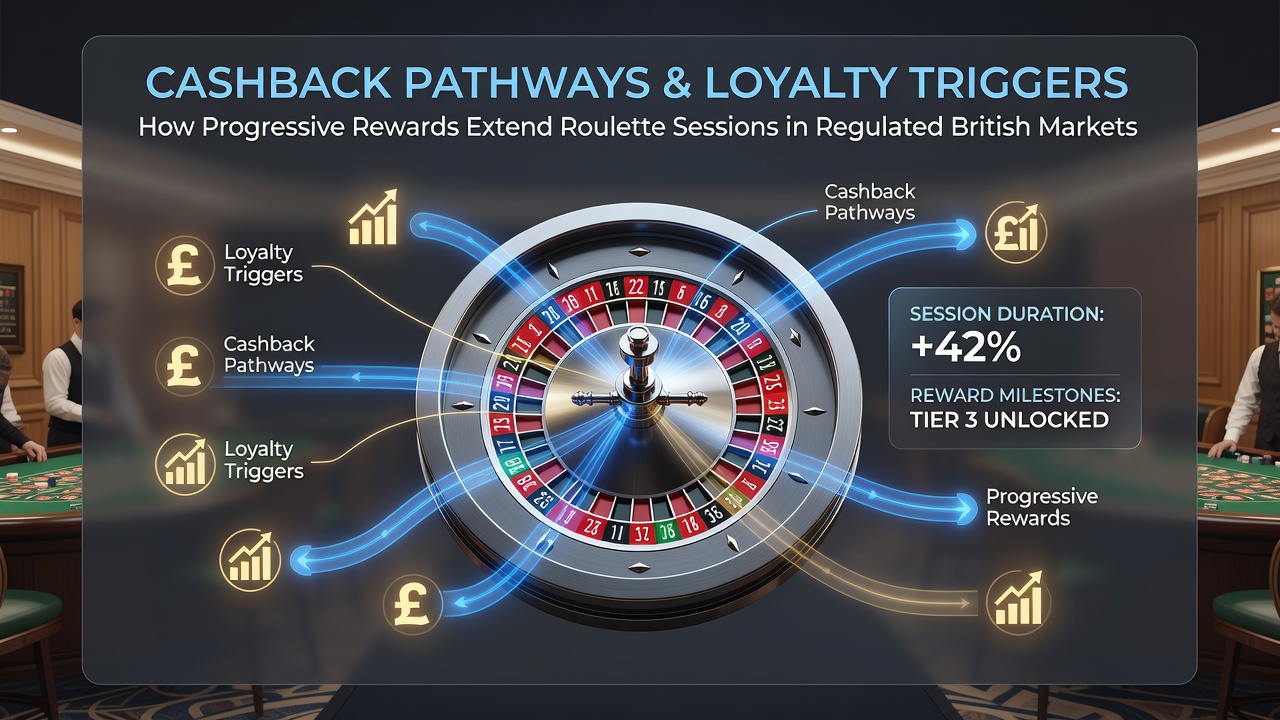
Cashback Pathways and Loyalty Triggers: How Progressive Rewards Extend Roulette Sessions in Regulated British Markets
Regulated British markets feature structured cashback pathways that activate once players reach defined loss thresholds during roulette play, and operators calculate these returns as percentages of net losses over set periods. Data from industry reports shows these mechanisms tie directly into loyalty programs where cumulative activity unlocks higher tiers with improved cashback rates. Observers note that players who engage with these systems often continue sessions because the rebates offset portions of losses and create incentives to reach the next threshold.
Mechanics of Cashback Pathways in British Roulette Markets
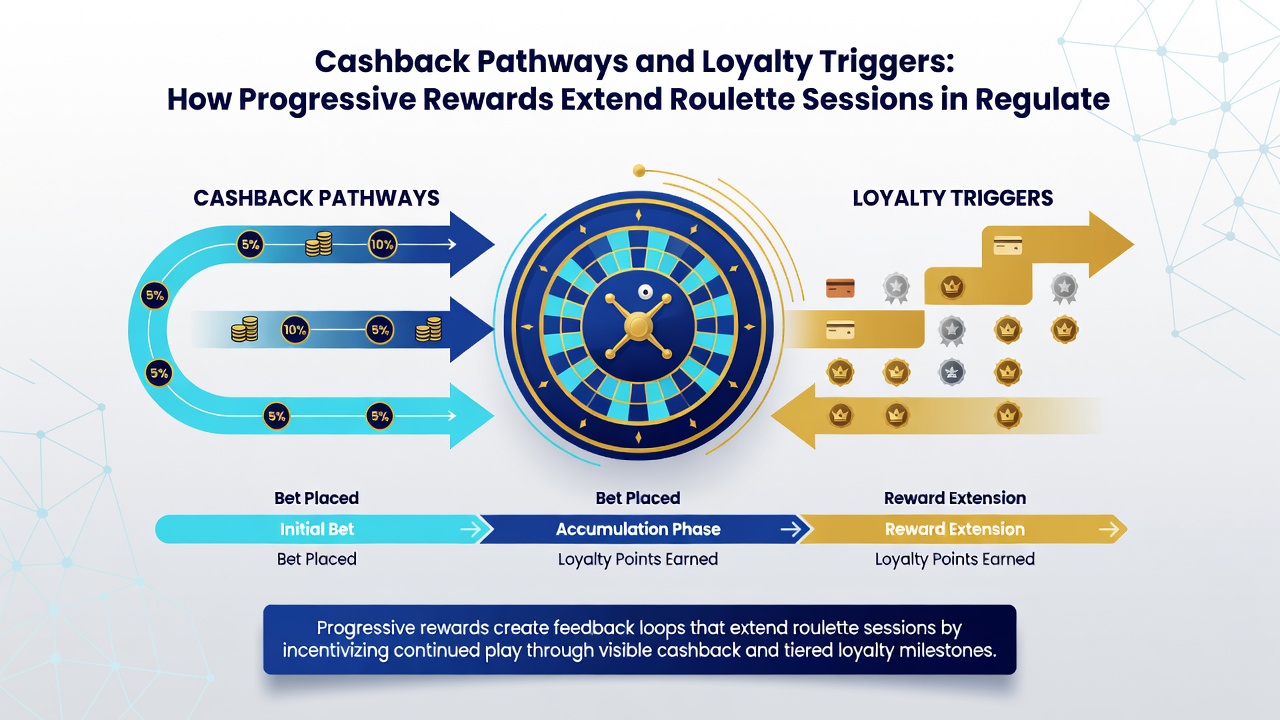
Operators in regulated environments structure cashback through automated tracking systems that monitor wagers on roulette variants including European and American wheels, then apply rebates weekly or monthly based on verified play volume. Research indicates that progressive tiers begin at basic levels around five percent cashback and advance to fifteen or twenty percent once monthly activity meets operator-defined benchmarks. Those benchmarks incorporate total stakes placed rather than outcomes, which means the pathway remains consistent regardless of short-term results. Experts have observed that this design keeps the reward calculation separate from individual spin outcomes while still linking extended play to higher rebate percentages.
Loyalty Triggers and Session Extension Patterns
Loyalty triggers activate when players complete specific roulette-related actions such as placing a minimum number of bets within a calendar week or maintaining activity across multiple sessions. These triggers feed into point accumulation systems where points convert into cashback credits or additional free bets at predetermined exchange rates. Figures reveal that players who hit these triggers frequently extend their sessions because the accumulated points move them closer to the next cashback disbursement or tier upgrade. Data shows session length increases correlate with the visibility of progress bars that display remaining requirements for the next reward level.
One documented pattern involves players who receive partial cashback mid-session and immediately reinvest a portion of the returned funds into ongoing bets. Studies conducted by academic institutions outside the UK market have examined similar reward structures and found that visible progress toward a reward often sustains engagement beyond initial session plans. In British contexts, these effects appear in aggregated operator data where average session duration rises alongside the introduction of tiered cashback programs.
Regulatory Framework Supporting Progressive Rewards
British regulations require operators to maintain transparent terms for all reward programs, which means cashback pathways must display eligibility criteria and calculation methods in player-accessible formats. This oversight ensures that loyalty triggers operate within defined boundaries while still allowing operators flexibility in designing progressive structures. Reports from the American Gaming Association on comparable retention tools in other jurisdictions indicate that clear disclosure correlates with sustained player participation when reward mechanics remain consistent. British operators align with these principles by publishing exact cashback percentages and the wager volumes needed to unlock each tier.
Examples of Reward Integration Across Platforms
Platforms operating under British licenses integrate cashback pathways directly into roulette interfaces so players see real-time progress toward the next rebate without leaving the game screen. In one observed case, a player reached a mid-tier loyalty trigger after consistent play across three evenings and received an immediate credit that funded additional spins within the same week. Researchers have documented similar sequences where the timing of reward delivery coincides with active sessions and contributes to continued participation. Data from October 2026 shows these integrations appear more frequently as operators refine their systems to meet both regulatory standards and player engagement metrics.
Another pattern involves combined triggers where roulette-specific activity counts toward broader casino loyalty programs, allowing cashback earned on the wheel to apply across other game types. This cross-application creates additional pathways for players to reach higher tiers without concentrating exclusively on one game. Industry analyses indicate that such layered structures produce measurable increases in total time spent across regulated platforms.
Conclusion
Cashback pathways and loyalty triggers function as interconnected systems that link player activity to progressive financial returns in regulated British roulette markets. The structures rely on transparent tracking, tiered percentages, and visible progress indicators that operators implement within existing regulatory requirements. Data collected through October 2026 demonstrates consistent patterns where these mechanisms correlate with extended session durations when players engage with the reward progression. External analyses from sources such as the National Council on Problem Gambling provide comparative context on how similar tools operate across different jurisdictions while remaining subject to local oversight.