British Casino Operators Fuse Loyalty Programs and Live Roulette Tables to Influence Extended Gaming Behaviors
Vera Butler · Aug 12, 2026
British Casino Operators Fuse Loyalty Programs and Live Roulette Tables to Influence Extended Gaming Behaviors
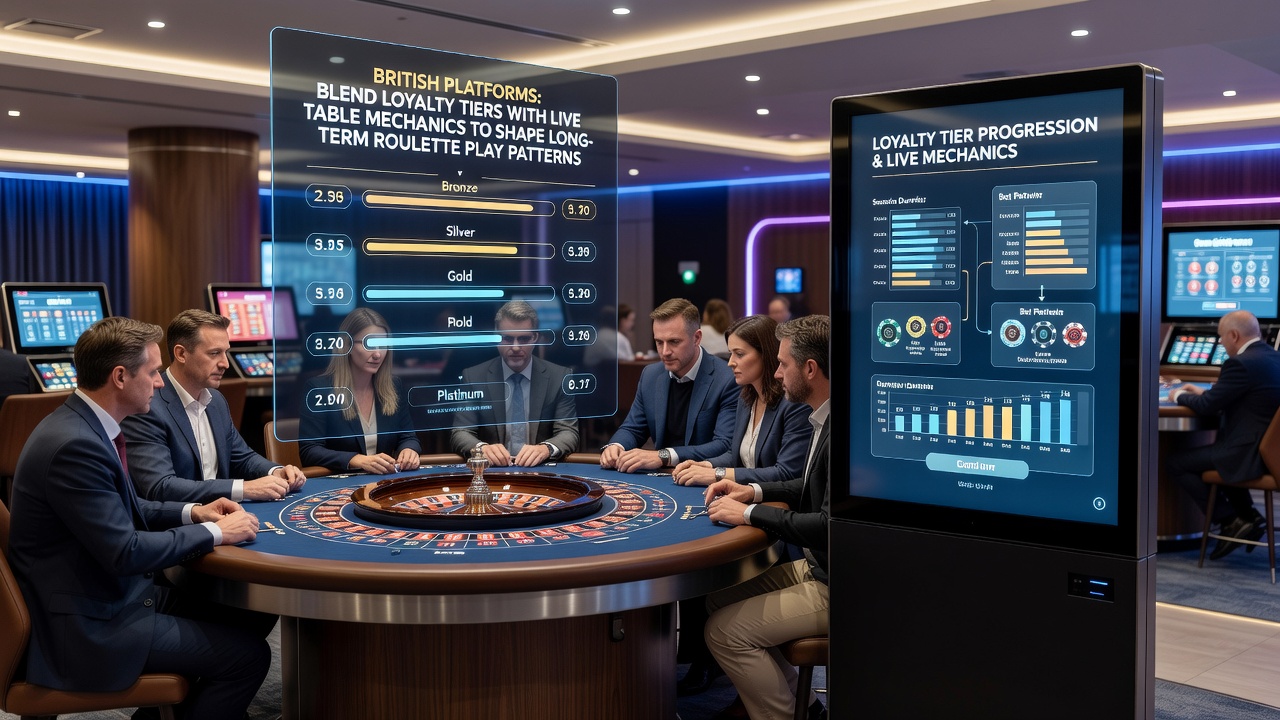
Operators across Britain have integrated loyalty tiers directly into live roulette environments, creating systems where player advancement unlocks specific table features and reward structures that encourage repeated sessions over months rather than single visits. These mechanics combine point accumulation from wagers with access levels that modify game parameters such as minimum bets, dealer selection, and bonus multipliers applied during live play.
Loyalty Structures and Table Integration
Platforms assign tiers based on cumulative activity tracked through account data, and higher levels grant entry to exclusive live dealer rooms where roulette wheels operate under adjusted rules. Players at mid-tier status often receive reduced house edges on select tables while top-tier accounts access private streams with customized betting limits that scale with their status points. Data from industry analyses shows these integrations correlate with increased average session lengths because the tier benefits activate only after sustained participation across multiple weeks.
Mechanics Driving Retention Patterns
Live table systems incorporate loyalty triggers that award instant credits or free spins redeemable within the same roulette session, and these rewards escalate according to the player's current tier. One platform introduced a mechanic where silver-tier users unlock a progressive jackpot component tied to consecutive spins on designated wheels, whereas gold-tier participants gain priority queue positions that reduce wait times between rounds. Such features connect directly to long-term play because progression requires consistent logins and wager volumes tracked monthly. In August 2026 several operators refined these algorithms to adjust tier thresholds based on aggregate user data collected over the prior quarter.
Research from the European Gaming and Betting Association indicates that combined loyalty and live-game systems produce measurable shifts in session frequency, with participants returning at rates 15 to 20 percent higher than those using standard bonus models alone. The integration works because live roulette supplies real-time feedback on tier progress, displaying point meters visible during each spin cycle and prompting continued engagement to reach the next unlock.
Player Behavior Data and Platform Adjustments
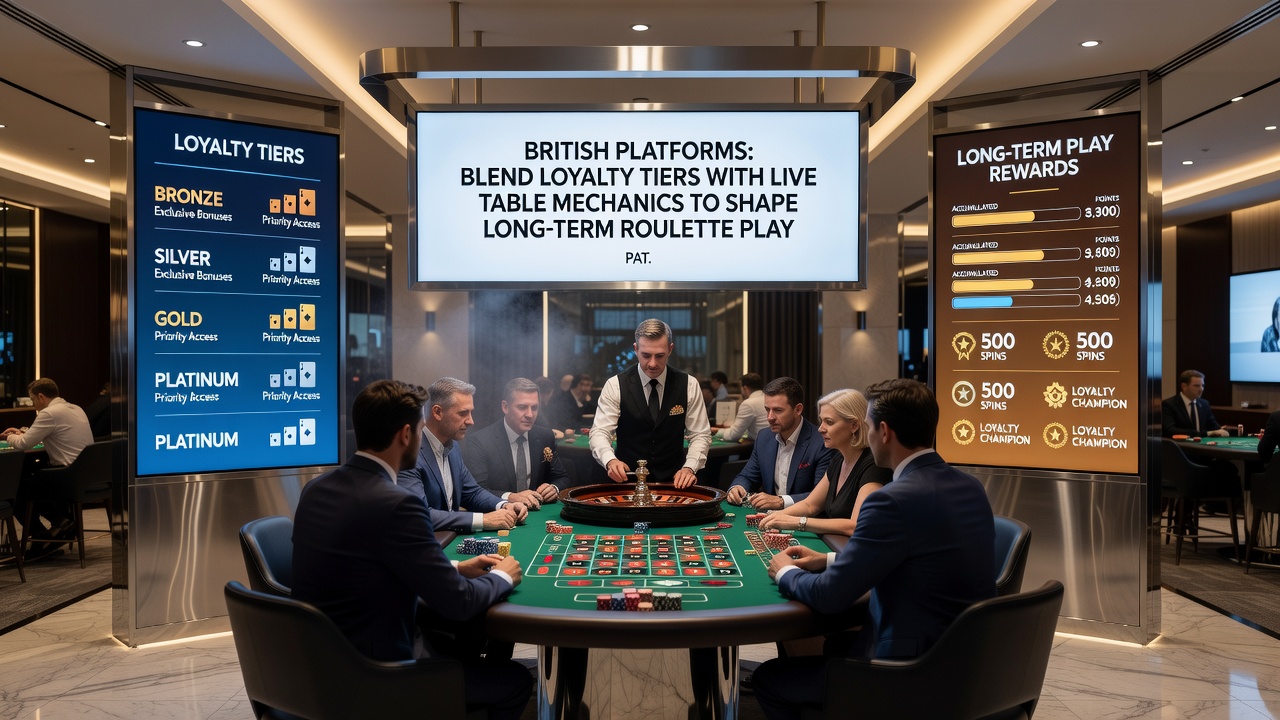
Platform analytics reveal distinct patterns where users who reach platinum status maintain play streaks averaging 45 days longer than entry-level accounts. These streaks form because tier maintenance demands minimum monthly activity, and live tables provide immediate visual confirmation of progress through on-screen notifications. Operators adjust live dealer availability and table variety according to tier distribution, ensuring higher-level players encounter more frequent promotional events that align with their status.
According to findings published by teh Responsible Gambling Council in Canada, reward structures tied to live mechanics can extend voluntary play duration when players perceive clear advancement paths. British operators apply similar frameworks by linking loyalty points earned on roulette spins to broader account privileges such as faster withdrawal processing or exclusive tournament entries. This creates a feedback loop where live table participation feeds tier growth, and tier growth in turn enhances the live experience.
Regulatory Context and Industry Observations
Observers note that platforms must balance these retention tools with compliance requirements that limit how aggressively rewards can promote extended sessions. In practice, operators display clear tier criteria and point-earning rates within the live interface so users understand the mechanics without ambiguity. Figures from the Canadian Gaming Association highlight parallel developments in other jurisdictions where loyalty-live hybrids have stabilized player bases across seasonal fluctuations.
Platform engineers continue to test variations that tie specific roulette outcomes to tier bonuses, such as landing on designated numbers that accelerate point accumulation. These experiments occur within controlled rollouts and draw on historical session data to predict impact on long-term patterns. The result is an evolving ecosystem where loyalty tiers and live table design reinforce each other to shape how British players interact with roulette over extended periods.
Conclusion
The fusion of tiered rewards with live roulette mechanics on British platforms produces documented changes in play duration and return frequency. Data collected through account tracking systems shows sustained engagement when benefits scale with consistent activity, while industry reports confirm operators refine these features in response to aggregated behavioral metrics. As systems evolve through 2026, the interplay between loyalty progression and table access remains central to how platforms structure long-term roulette participation.