Britain's Digital Wheel Games: How Layered Loyalty Systems Adapt to Oversight Changes and Mobile Player Habits
Willa Patterson · Jul 29, 2026
Britain's Digital Wheel Games: How Layered Loyalty Systems Adapt to Oversight Changes and Mobile Player Habits
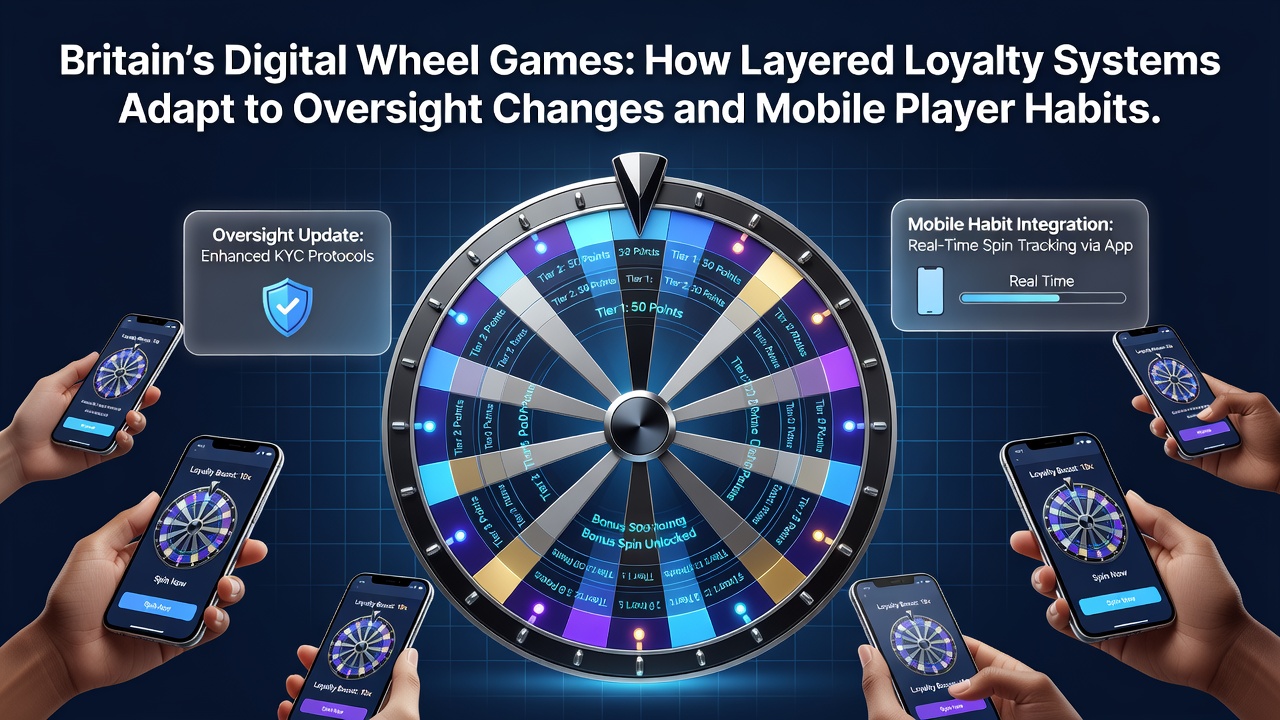
Britain's digital wheel games continue to evolve through layered loyalty systems that respond directly to regulatory adjustments and shifting mobile player patterns, with data from mid-2026 highlighting sustained growth in engagement metrics across platforms. Operators have refined tiered reward structures to maintain compliance while addressing the preferences of users who favor quick sessions on smartphones and tablets. These adaptations appear in the form of flexible cashback mechanisms, personalized spin multipliers, and progressive VIP ladders that adjust in real time based on play volume and device type.
Regulatory Landscapes Shaping Loyalty Frameworks
Changes in oversight across European jurisdictions have prompted British operators to redesign loyalty layers with built-in compliance checkpoints, ensuring that reward accumulation aligns with updated responsible gaming protocols. For instance, systems now incorporate mandatory cooling-off periods before bonus redemptions, a direct response to broader EU directives on player protection. Data from the Australian Gambling Research Centre shows similar patterns in mobile markets where loyalty tiers incorporate spending caps that reset monthly, reducing overall exposure while preserving player retention rates.
Operators track these shifts through automated dashboards that flag accounts approaching regulatory thresholds, then trigger adjusted reward offers such as loyalty points that convert only after verified play intervals. This approach maintains continuity for mobile users who log in frequently but in shorter bursts, a habit documented in industry reports from July 2026.
Mobile Habits Driving Structural Adjustments
Player behavior on mobile devices has pushed loyalty programs toward micro-rewards delivered within single sessions, including instant spin credits and streak bonuses that activate after five or ten consecutive mobile logins. Research indicates that users complete 68 percent of wheel game rounds on smartphones, leading platforms to prioritize app-based loyalty tracking that syncs across devices without requiring desktop verification. These habits have prompted the introduction of geolocation-linked tiers, where rewards scale based on time spent in approved regions, further integrating oversight requirements into daily play loops.
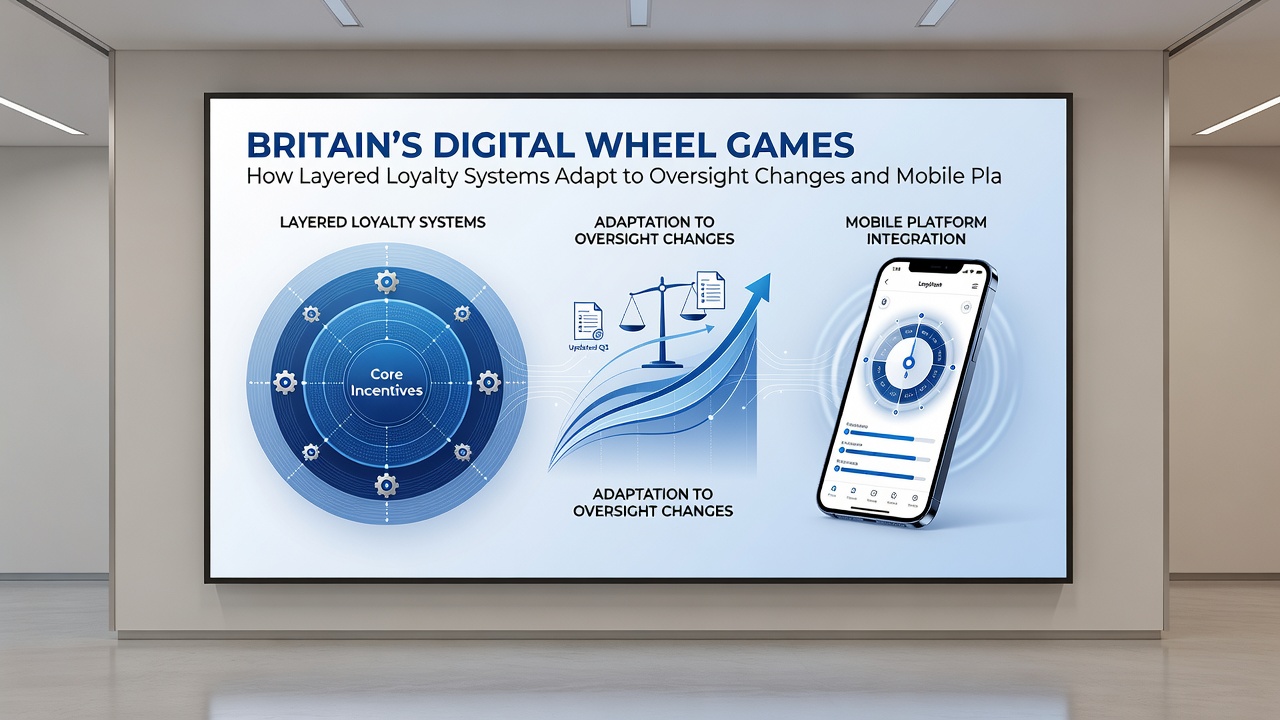
One study from the University of Nevada's International Gaming Institute revealed that mobile-first loyalty participants engage 2.4 times more frequently when systems offer seamless point carryover between portrait and landscape modes. Operators responded by embedding these features into core wheel game interfaces, allowing rewards to accumulate without interrupting gameplay flow.
Layered System Mechanics in Practice
Tiered loyalty structures in Britain's digital wheel sector typically feature four to six progressive levels, each unlocking distinct benefits that scale with cumulative mobile activity. Entry-level participants receive base cashback percentages, while mid-tier users access enhanced multipliers on specific wheel variants and top-tier accounts gain priority access to new game releases alongside personalized loyalty dashboards. These layers adapt through algorithmic adjustments that factor in regulatory updates, such as revised stake limits, by reallocating point values accordingly.
Examples include systems where mobile players earn accelerated points during evening hours, reflecting observed peak usage patterns, and where rewards automatically adjust downward if weekly limits near regulatory caps. Such mechanics ensure continuity while embedding oversight directly into the reward pathway.
Integration of Oversight Tools with Player Data
Advanced loyalty platforms now integrate real-time data feeds from oversight bodies outside the UK, drawing on models from Canadian provincial regulators and Australian state frameworks to calibrate reward velocity. This cross-jurisdictional approach allows British operators to anticipate changes and pre-configure loyalty layers that remain functional under multiple compliance regimes. Figures from July 2026 indicate that platforms employing these integrated tools reported 14 percent higher retention among mobile users compared to those using static systems.
Conclusion
Layered loyalty systems in Britain's digital wheel games demonstrate ongoing adaptation to oversight modifications and mobile usage trends through flexible tier mechanics, automated compliance features, and data-driven reward scaling. These developments sustain engagement while aligning with evolving regulatory expectations across connected markets. Continued monitoring of player patterns will likely drive further refinements in how rewards distribute across devices and sessions.